The surviving fragment
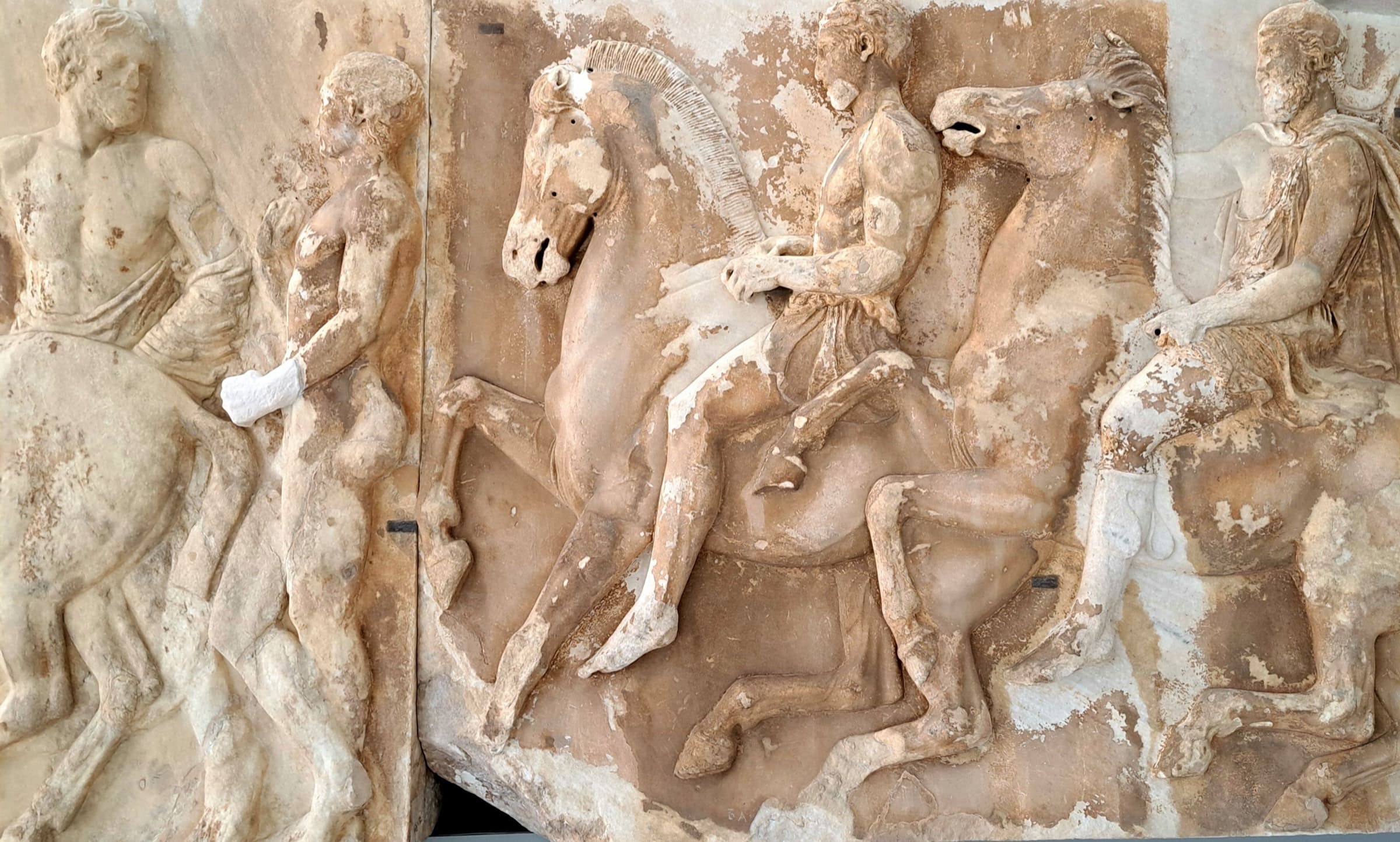
Wall painting recovered in pieces, mounted in blank plaster.
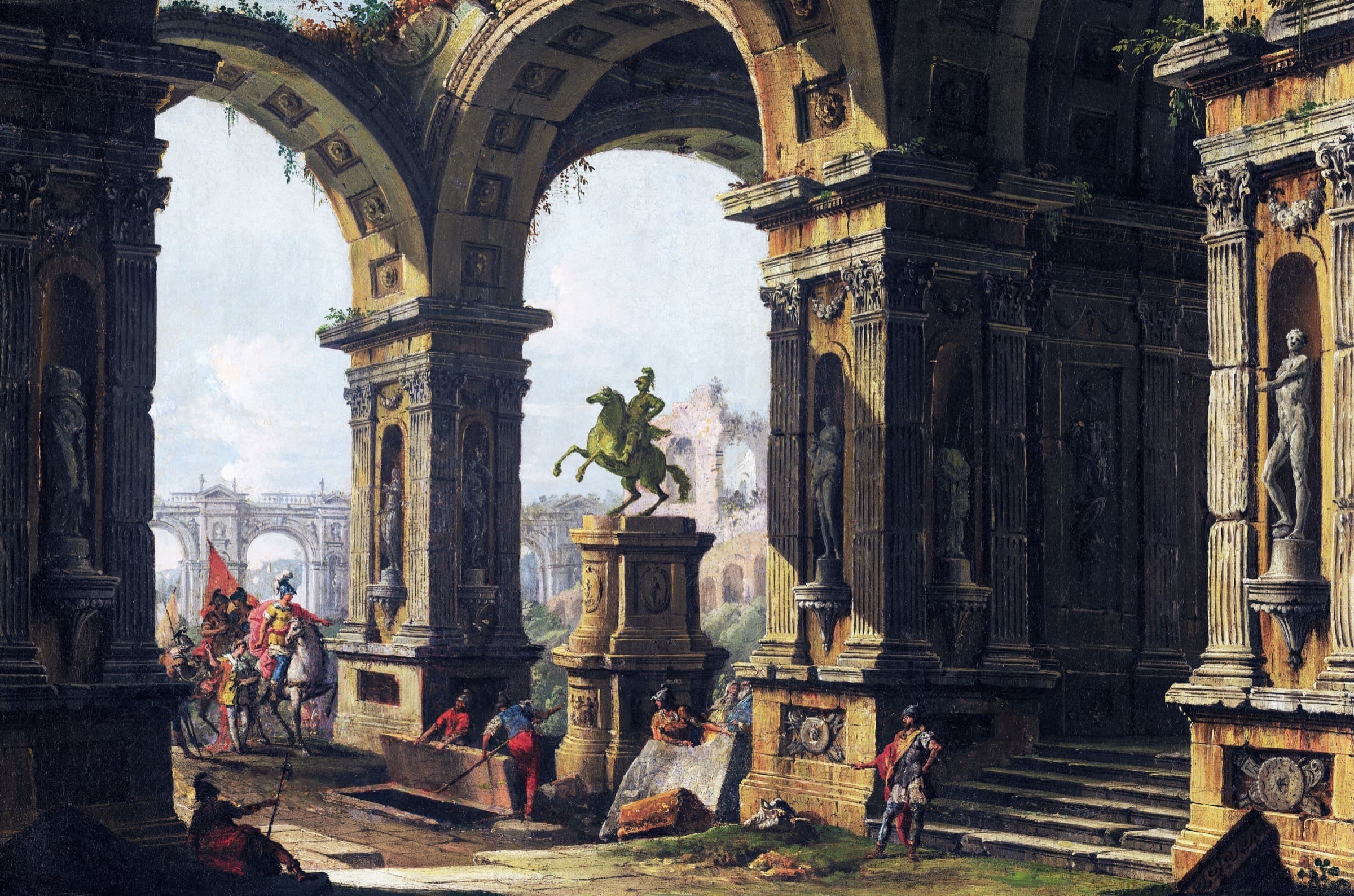
At rest the wall is whole, with shards sharing their broken edges. Give it a second image and that is the layer underneath: shards near the pointer lose their plaster and the earlier painting shows through, settling back when the pointer leaves. `loss` can open holes before anyone touches it — an already-failed wall — but it is off by default, because a hole and a scrape read as the same gesture and should not mean two different things on one image.
Integration
<link rel="stylesheet" href="anthemion.css">
<script type="module" src="anthemion.js"></script>

<anthemion-fragment cols="6" rows="4" loss="0" crack="0" radius="140" edge="eroded" order="random" seed="7" cluster>
  <img src="/surface.jpg" alt="Wall painting fragment" />
<img src="/beneath.jpg" alt="" />
</anthemion-fragment>Slot
Imagery presented as recovered or partial — archive, history, provenance.
Budget
- Never on an image the visitor needs to see completely.
- Leave `loss` at zero unless the wall is meant to be broken before anyone touches it. Holes at rest compete with the scrape for the same meaning.
- If you do use `loss`, keep it under about 30% or the subject stops being legible.
- The second image is a layer, not a joke. It should plausibly be *under* the first — an earlier state, a plan, the same view in another year.
- One per page. Two walls being scraped at once is a gimmick.
Restraint is the aesthetic, and it does not survive being applied generously. These limits are the specification, not advice.